The rise of amplified creator content

For years, influencer marketing was built around one core asset: a creator’s audience.
Brands paid creators for access to their followers. The bigger the reach, the bigger the perceived value. But that dynamic is rapidly changing.
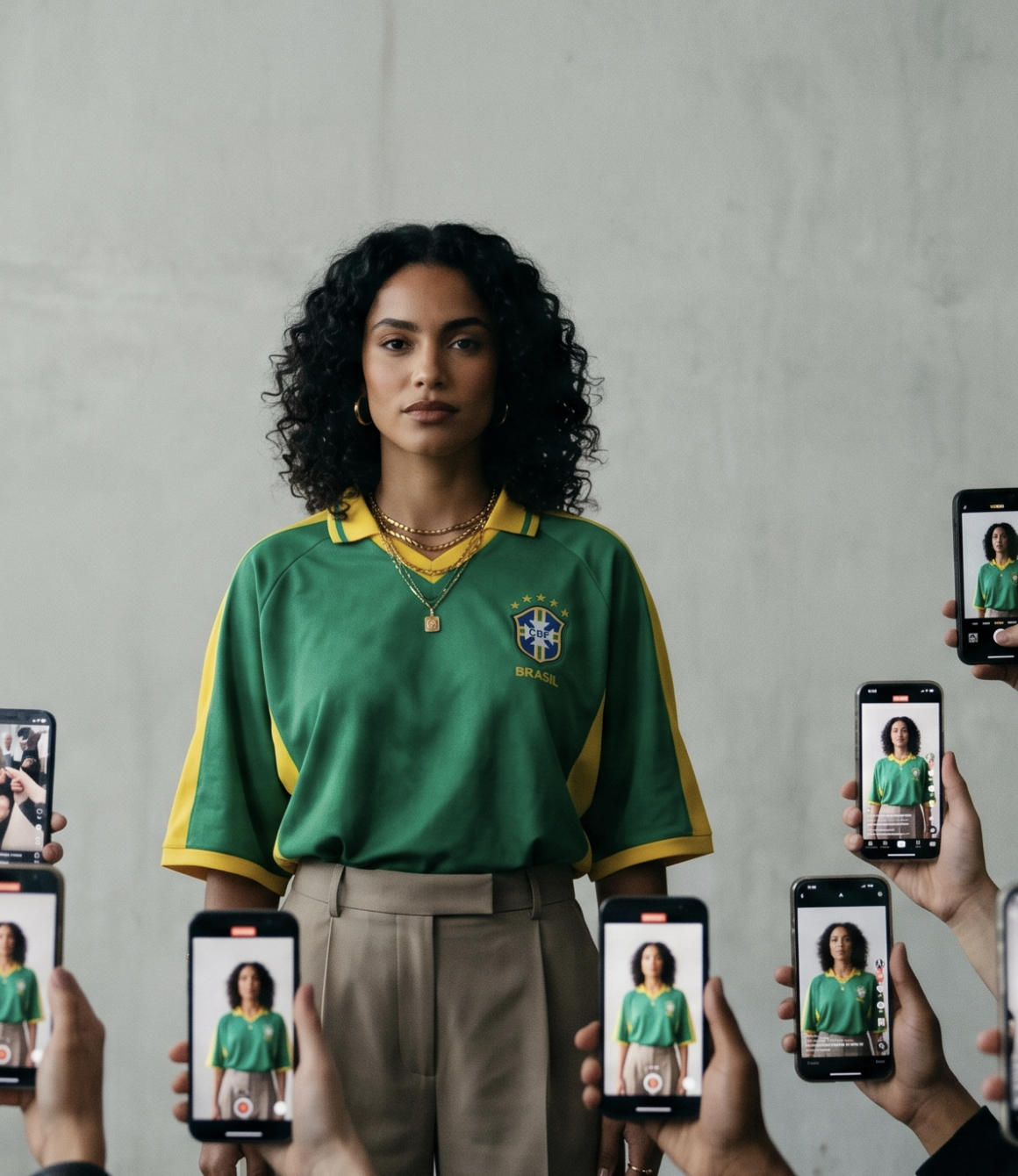
New research from EMARKETER shows that by 2028, brands will spend more money amplifying creator content through paid social than they spend paying creators to produce that content in the first place.
That shift says a lot about where the Creator Economy is heading.
From audience buying to content amplification
The rise of ultra-personalized feeds on platforms like TikTok, Instagram and YouTube has fundamentally changed how content is distributed.
Algorithms increasingly decide what people see, not follower relationships.
As a result:
-
organic reach is becoming less predictable,
-
follower count is losing value as a standalone metric,
-
and paid amplification is becoming essential to scale visibility.
For brands, this means creator content is no longer just a social collaboration.
It is becoming a media asset.
The real value is shifting from:
“Who can organically reach the most people?”
to:
“Who can create content that performs inside platform algorithms?”
Creator content becomes advertising infrastructure
This trend is changing the economics of influencer marketing.
Historically, creators owned distribution and brands rented access to their audiences.
Today, platforms increasingly own distribution.
Creators are becoming the creative engine behind social advertising, while platforms capture a growing share of the value through paid amplification.
That is why formats such as:
-
Spark Ads,Partnership Ads,
-
whitelisting,
-
dark posting,
-
boosted UGC,
-
and creator-led performance content
are becoming central to modern influencer strategies.
The content itself becomes more important than the organic post.
The creator economy is splitting into two layers
As amplification grows, the market is also fragmenting into different types of creators.
On one side, we see the rise of performance creators:
-
creators optimized for conversion,
-
affiliate marketing,
-
TikTok Shop,
-
paid social,
-
and scalable ad performance.
These creators understand hooks, watch time, conversion psychology and platform-native storytelling.
On the other side, cultural creators continue to play a different role:
-
shaping identity,
-
building communities,
-
driving aspiration,
-
and influencing culture over the long term.
Not every creator wants to become a performance channel.
And not every creator is suited for paid amplification.
This creates a more layered Creator Economy where different creator types serve different business objectives.
Why this matters for brands
This shift changes influencer marketing from a PR-driven discipline into a hybrid of:
-
creativity,
-
media,
-
performance marketing,
-
community building,
-
and cultural relevance.
-
Brands can no longer rely on follower counts alone.
They need creator ecosystems that combine:-
authentic storytelling,
-
platform-native creativity,
-
paid amplification,
-
and long-term relevance.
The strongest brands will not simply “work with influencers.”
They will build creator-powered distribution systems.
-
Why this matters for creators
Creators who understand the changing mechanics of platforms will gain a significant advantage.
Because in the next phase of the Creator Economy, value will increasingly come from:
-
content performance,
-
audience trust,
-
creative adaptability,
-
retention,
-
conversion,
-
and cultural relevance.
Not just reach.
Creators who understand both culture and performance will become the most valuable partners for brands.
And creators who fail to adapt risk becoming increasingly dependent on platform algorithms they no longer control.
The bigger picture
The Creator Economy is entering a new phase.
One where:
-
platforms gain more power,
-
paid amplification becomes unavoidable,
-
creators become both storytellers and media assets,
-
and influencer marketing merges with paid social and commerce.
At the same time, audiences are craving more authenticity, intimacy and real human connection.Which means the future will belong to brands and creators who know how to balance both:
performance and culture.
Because in a world where everyone can create content, relevance becomes the most valuable currency of all.
More news
Staying Ahead in a Moving World. Insights from the Experts.